

Many view a car as a necessary asset whose lifespan depends mostly on the condition of its sophisticated inner mechanisms. Although appearances may often be kept, the actual measure of a car’s condition is found under the bonnet, where several parts operate in exact symphony. Ignoring these internal components can cause disastrous failures, costly repairs, and compromised safety. Regular preventative maintenance is the most successful method for preventive treatment; it is not simply a suggestion. Early identification of small problems is made possible by this disciplined approach, which protects the performance and integrity of all vital engine car parts and guarantees years of dependable, effective, and safe driving.
Engine Oil Level and Quality Monitoring
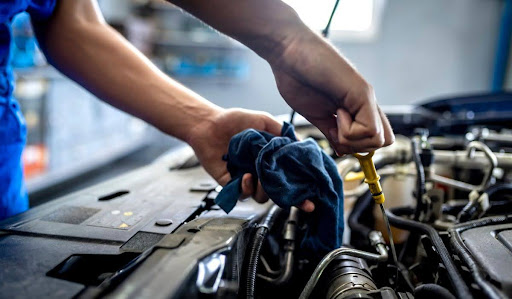
The crucial daily activity is regular inspection of your engine oil. Oil stops metal-on-metal wear by lubricating, cleaning, and cooling the Engine Car Components. Measure the level once a week with the dipstick ensuring that it is not below or beyond the minimum and maximum markings. It is equally important to assess its quality; young oil is amber and clear but as it ages, it gets dark, gritty and thin. Low levels of friction increase overheating, and damaged oil loses its protective characteristics. Non-negotiable is following the manufacturer’s service interval for oil and filter changes since it eliminates impurities and guarantees the lubrication system works best.
Preserving Best Coolant Level and Mixture
The cooling system shields the engine from the intense heat generated by combustion. It is absolutely vital to periodically check the coolant level in the expansion tank (when the engine is cold). The coolant should be at the “MAX” mark. The ratio composition is more important than only the level; a 50/50 mixture of water and antifreeze stops both boiling in summer and freezing in winter. Moreover, it has corrosion inhibitors protecting the radiator, water pump, and engine block. Neglecting coolant can cause overheating, which can warp cylinder heads and very quickly result in catastrophic engine failure.
Confirming the Condition of Air Filters
The engine air filter is its initial barrier, which may not allow abrasive particles and dust to enter the combustion chambers. A clogged and dirty filter creates a limitation to the flow of air and hence engine labours more. From this comes a richer fuel mixture (excess fuel), reduced power, worse fuel economy, and higher emissions. In dusty surroundings, check the filter frequently every service or more often. Pores that are visible and prominent will be shown when held up to a light source. A simple, affordable replacement can preserve performance and guard inside components such as piston rings and cylinder walls from more wear.
Assessment of Terminal Condition and Battery Integrity
The battery is at the centre of your car’s electrical system. Visual checks on bulges or cracks on the casings should be part of the normal checks. Test the terminals by ensuring that they are clean, tight and have no white, powdery corrosion that would hinder the flow of current. Many contemporary batteries need routine distilled water top-ups, even if most are maintenance-free. Especially in frigid weather, a dying battery causes the alternator to work too hard and may cause difficult starting. Especially before winter, periodic voltage and charge capacity inspections on the battery might help to prevent unplanned failures.
Looking for Unusual Sounds and Following Results
Learn the usual sounds and feel of your car. Other than visual checks, regular examinations include aural and sensory checks. Listen for strange or new sounds, knocking, rattling, squealing or grinding, which may be first signs of bearings, belts or other problems of interior components. Observe the performance variations, such as more severe starting, crass idling, absence of power or increased fuel consumption. These small signals are frequently the first signs of a rising issue, letting you obtain expert diagnosis before a minor flaw becomes a costly, major repair.
In Conclusion
Including a program of easy, consistent inspections is a little time investment that has great returns in financial savings, vehicle life, and safety. This proactive maintenance plan then assists you to become the first level of defense of the advanced internal parts of your vehicle. The maintenance of valuable parts is ensured by you, paying close attention to the fluid levels, inspecting the belts and filters, and monitoring the changes related to performance. Consistent maintenance finally stops the domino effect of little damage causing significant mechanical failure, therefore guaranteeing your car will be a reliable and effective partner on the highway for its whole life.