

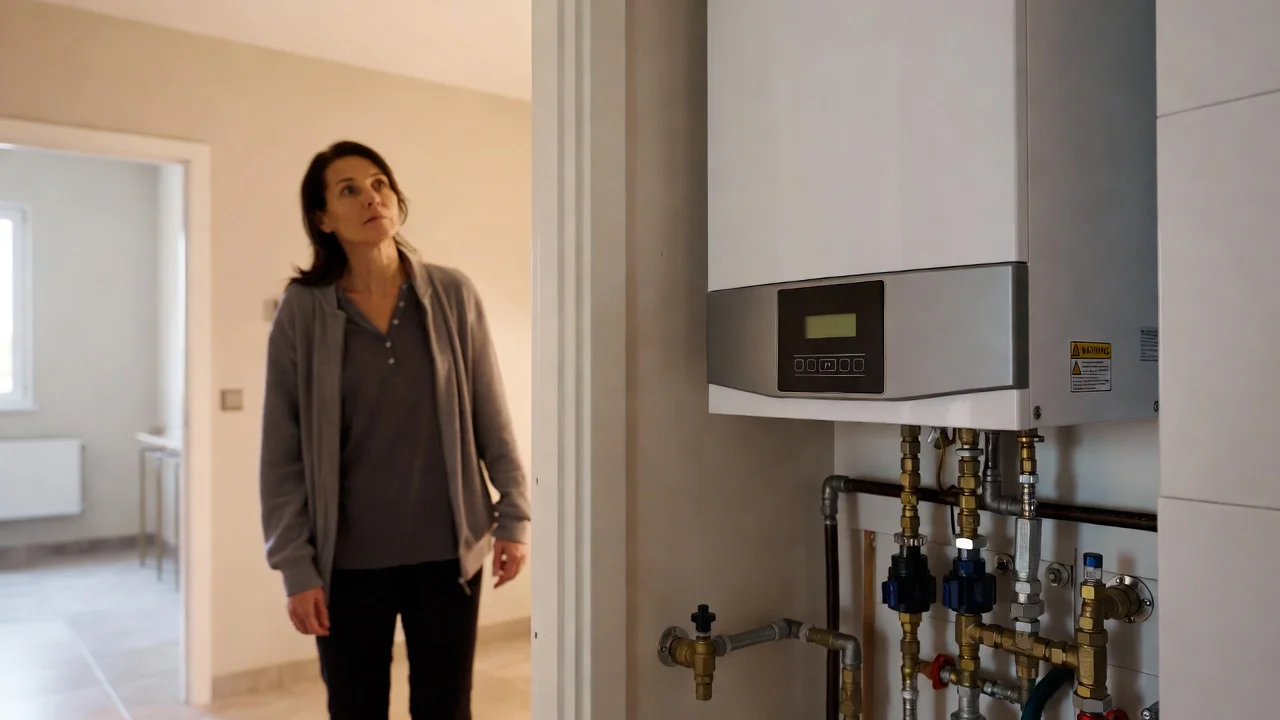
Most people don’t think about their gas system until something goes wrong. And honestly, that makes sense. If the heating is on, the cooker works, and there’s no obvious smell, it feels like everything is fine. The problem is, gas issues don’t always announce themselves. Many of them stay hidden, quietly building up in the background.
What makes this more worrying is that gas problems rarely start as emergencies. They usually begin as small faults-easy to miss, easy to ignore, and very easy to underestimate. By the time the signs become obvious, the risk has often increased far beyond what it needed to be.
Why Gas Problems Are Often Missed in the First Place
Gas Boiler systems are specially designed to be sealed, controlled, and out of sight. Pipes run behind walls, under floors, and through cupboards. Valves and joints sit in places most homeowners never look at that.
Because of this, many people rely entirely on “how things feel.” If the house is warm and appliances turn on, there’s an assumption that everything must be safe. In reality, early-stage issues don’t always affect performance straight away.
This is exactly why many homeowners only discover problems after arranging an inspection or calling a trusted Gas Safe engineer in Stoke on Trent for something that seemed unrelated at first.
Hidden Gas System Problems That Develop Over Time
Slow Leaks You Can’t See
Not every gas leak comes with a strong smell. Small leaks can form around older joints or fittings and release gas gradually. When this happens in enclosed spaces, it may go unnoticed for a long time.
Aging Pipework and Connections
Metal pipes and connectors naturally wear down. Temperature changes, vibration from appliances, and simple age all play a role. These changes happen slowly, which makes them easy to miss.
Ventilation That Isn’t Doing Its Job
Gas appliances rely on proper airflow. When vents are blocked or airflow is reduced, harmful gases can build up indoors without obvious warning signs.
Valves That No Longer Regulate Properly
Gas valves control pressure and flow. When they begin to fail, the system may still work, but not as safely or efficiently as it should.
Subtle Warning Signs People Often Ignore
Most hidden gas problems do give signals—you just have to know what they look like.
- Pilot lights that keep going out
- A faint hissing sound near appliances
- Flames that look weaker or change colour
- Feeling unsafely tired or light headed indoors
- Gas bills creeping up without explanation
Individually, these signs don’t always seem serious. Together, they’re often a sign that something isn’t right.
What You Should Do When Something Feels Off
If you ever get that feeling that something isn’t quite right, don’t ignore it. You don’t need to panic, but you do need to act sensibly.
Open windows, avoid flames, and don’t try to “test” things yourself. Gas systems aren’t like general DIY repairs. Small mistakes can turn into big problems very quickly.
How Small Faults Turn Into Serious Risks
This is the part many people don’t realise. One small issue rarely stays alone. A leak puts strain on appliances. Poor ventilation affects air quality. Pressure issues shorten the life of components.
Over time, these problems connect. What started as a minor fault can become a safety risk, a breakdown, or an emergency call-out at the worst possible moment.
Also Read: How Do Shaker Cabinets Compare to Flat Panel Designs
Why Regular Checks Actually Matter
Regular inspections aren’t about finding problems for the sake of it. They’re about catching things while they’re still small. A loose connection today is far easier to fix than a major repair later.
Homes that stay on top of checks regularly or usually avoid sudden failures, unexpected costs, and unnecessary stress.
Final Thoughts
Hidden gas system problems are dangerous because they don’t make noise. They do not flash warning lights. They just sit there, slowly getting bad. Paying attention to early signals and acting sooner rather than later can protect your home, your health, and everyone inside it.